Our vision
A world where no young person with cancer falls through the gap between children's and adult care.
SABRAIN is a digital companion that helps young people understand their treatment, track symptoms and mood, and find calm and support from others who have been there. Shaped by the real stories of young people.
A world where no young person with cancer falls through the gap between children's and adult care.
We build digital support shaped by young people's lived experience, starting with those living with a brain tumour.
An estimated
young people aged 15–39 are diagnosed with cancer every year worldwide.
So far today, an estimated
young people aged 15–39 have been diagnosed with cancer worldwide.
Estimate based on 1,300,196 new cancer cases (excluding non-melanoma skin cancer) in people aged 15–39 in 2022, about one every 24 seconds. Source: Hughes et al., The Lancet Oncology, 2024.
Young people are diagnosed just as they're finishing school, starting university or their first job. Care is organised around children or around adults, and the life in between often goes unsupported.
Moving from paediatric to adult care can mean new teams, new routines and lost continuity at the hardest moment.
Follow-up can be months apart. Symptoms, worries and questions build up with nowhere to put them.
Study, work, friendships and identity are all shifting at once, and tools designed for older patients rarely speak to that.
SABRAIN is at prototype stage. We're clear about what exists today and what comes next.
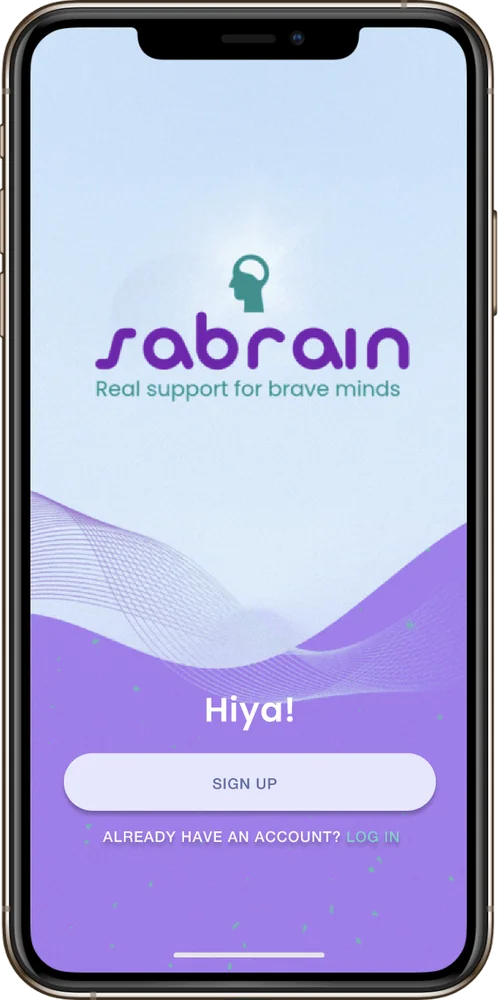
Plain-language guides to surgery, chemotherapy, radiotherapy and medication, including the side effects that can come up.
Log fatigue, pain, nausea or hormonal changes, check in on your mood and see how things change over time.
Keep on top of medication and appointments without having to remember everything.
Guided meditations and relaxation for anxious moments, with an optional spiritual corner.
Simple nutrition guidance to help keep your energy up during treatment.
Stories from young people who have been there, with content warnings before anything difficult.
Next, we will run co-design sessions with young people living with or after a brain tumour, followed by a pilot under NHS governance.
System Usability Scale score from 13 young adults aged 18–24 without cancer, above the industry average of 68. Testing with young people affected by a brain tumour is the next step.
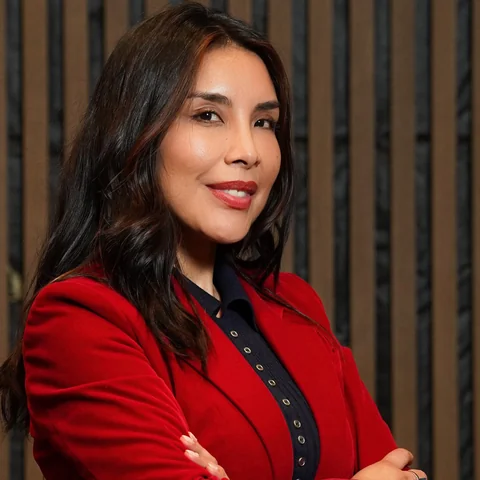
Over 12 years in public health and dietetics, including domiciliary palliative care and directing a health centre. MSc in Digital Health Systems (University of Strathclyde). SABRAIN began with a friend from university who was diagnosed with a brain tumour at 23.